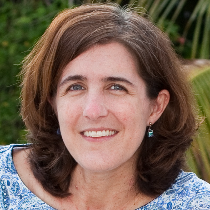
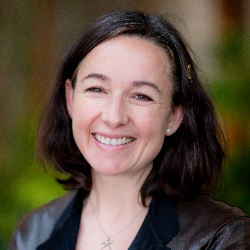
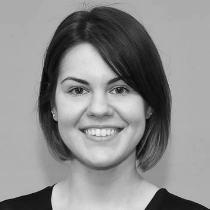
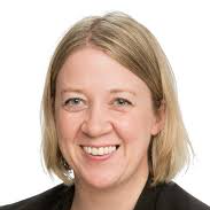
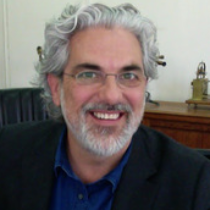
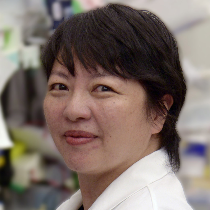
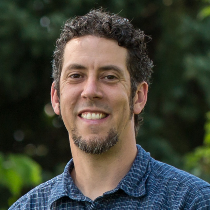
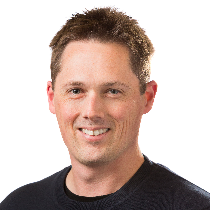
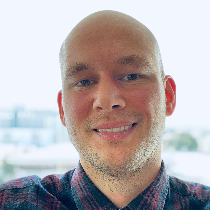
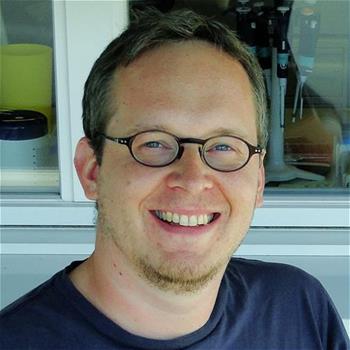
Pilar Alcaide, PhD, Kenneth and JoAnn G. Wellner Professor, Cell, Molecular & Developmental Biology, Immunology, Tufts University Kenneth and JoAnn G. Wellner Professor Tufts University
Dr. Alcaide is an Associate Professor of Immunology, the Director of the Immunology Graduate program, and the Kenneth and JoAnn G. Wellner Professor at Tufts University School of Medicine, Boston, MA. She received her PhD in Molecular Biology and Immunology from Universidad Autonoma of Madrid, Spain. As a recipient of a Fulbright postdoctoral fellowship, Dr. Alcaide trained in vascular biology at the Department of Pathology, Brigham and Women’s hospital. Dr. Alcaide was appointed to Instructor of Pathology at Harvard Medical School, where she successfully competed for a “Pathway to Independence NIH K99/R00 awardâ€. Dr. Alcaide established her independent research program at Tufts University investigating the mechanisms regulating T cell trafficking to sites of inflammation, with a particular focus on the heart in the context of heart failure. Dr. Alcaide is the recipient of several awards, including the ASIP Cotran Early Career Investigator award, is a fellow of the American Heart Association, and serves in a number of NHLBI, NIAID and AHA review panels.
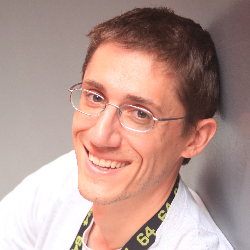
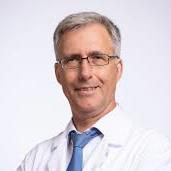
Marc Bajenoff, PhD, Principal Investigator, Centre d'Immunologie Marseille-Luminy Principal Investigator CIML
Marc Bajenoff graduated in Biochemistry from the University of Pau, France and obtained a Master degree in Biochemistry from the Aix Marseille University, France. He obtained his PhD in Immunology in 2003 from the University d’Aix Marseille. As a postdoctoral fellow, Marc Bajenoff joined the Laboratory of Nicolas Glaichenhaus (Sophia Antipolis, France) and then the Laboratory of Ronald Germain (NIH/NIAID,Bethesda, USA) where he studied the role of lymphoid stromal cells on the migration of lymphocytes by 2-photon imaging. In 2010, he became a principal investigator at the CIML, France. His laboratory studies the immunobiology of lymphoid stromal cells and how these non-hematopoietic cells control various immune cells in vivo.
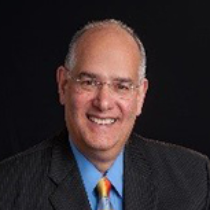
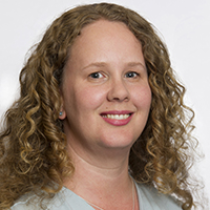
Christopher Buckley, PhD, Professor, Rheumatology, University of Birmingham Professor University of Birmingham and Oxford
I obtained a degree in Biochemistry from the University of Oxford (1985) with subsequent undergraduate training in Medicine (MBBS) at the Royal Free Hospital, London (1990). My postgraduate medical training was in General Medicine and Rheumatology at the Hammersmith Hospital, London (Mark Walport, Dorian Haskard), and John Radcliffe Hospital, Oxford. I obtained a DPhil arising from a Wellcome Trust Clinical Training Fellowship with John Bell and David Simmons at the Institute Molecular Medicine, Oxford in 1996.
Funded by a Wellcome Trust Clinician Scientist Fellowship, I joined the Department of Rheumatology in Birmingham later that year. In 2001 I was awarded an MRC Senior Clinical Fellowship and in 2002 became Arthritis Research UK Professor of Rheumatology. In 2012 I was appointed Director of the Birmingham NIHR Clinical Research Facility.
In May 2017 I took up a new joint academic post between the Universities of Birmingham and Oxford as Director of Clinical Research at the Kennedy Institute of Rheumatology Oxford and Director of NIHR Infrastructure in Birmingham for Birmingham Health Partners to Direct the Arthritis Therapy Acceleration Programme (A-TAP)
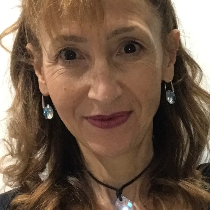
Matthew Buechler, PhD, Assistant Professor, Immunology, University of Toronto Assistant Professor University of Toronto
Matthew Buechler received his PhD in the laboratory of Dr. Jessica Hamerman at the University of Washington. He performed his postdoctoral training with Dr. Shannon Turley at Genentech. Dr. Buechler started a laboratory at the University of Toronto in the Department of Immunology in 2021. The Buechler Lab studies unknown aspects of the immune system with a particular interest in fibroblasts & macrophages.
Viviana Cremasco, PhD, Senior Principal Scientist, Exploratory Immuno-Oncology, Novartis Institutes for BioMedical Research, Inc. Senior Principal Scientist Novartis Institutes for BioMedical Research (NIBR)
Dr. Cremasco grew up in the north of Italy and received her Master’s degree in Medical Biotechnology from the University of Milan. In 2007, she moved to Washington University in St. Louis, MO for her Ph.D. training, where her studies focused on the characterization of the signaling pathways activated downstream of ITAM-associated receptors in myeloid cells and osteoclasts during rheumatoid arthritis and bone metastasis. She then joined the laboratory of Dr. Shannon Turley at the Dana-Farber Cancer Institute for her post-doctoral training, where her research addressed the cellular and molecular mechanisms governing stroma-immune cell cross talk in lymphoid organs. Dr. Cremasco moved to Novartis Institutes for BioMedical Research as an independent Investigator in 2015, in the department of Immuno-Oncology. Work in her lab aims at broadening our current understanding of stroma-immune interactions, with particular emphasis on stromal-imposed immunosuppression in the tumor microenvironment.
Tom Cupedo, Associate Professor, Erasmus MC Assoc Prof Erasmus MC
Tom Cupedo is an associate professor of Hematology at the Erasmus MC Cancer Institute in Rotterdam the Netherlands. Trained as an immunologist, Tom’s research has always revolved around stromal cell – immune cell interactions, and his lab has studied these in a wide array of settings including lymph node development and tissue repair. In recent years, the lab has been exclusively focused on stromal –immune interactions in the bone marrow of patients with multiple myeloma, a cancer of malignant plasma cells and the second most prevalent blood cancer in adults. Tom’s team identified a myeloma-supportive bone marrow stromal cell niche, and charted the stromal and immune transcriptional landscape of newly-diagnosed multiple myeloma patients at single cell resolution. The overall goal of the research in Tom’s lab is to identify novel treatment targets in the bone marrow stromal micro-environment in order to target both the tumor as well as the supportive environment in which these tumor cells reside.
Jovana Cupovic, PhD, Max Planck Institute of Immunology and Epigenetics Marie Curie Fellow Max Planck Institute for Immunobiology & Epigenetics
Jovana Cupovic received her Ph.D. from ETH Zurich. During her first postdoctoral training in the lab of Professor Burkhard Ludewig, she investigated the therapeutic potential of immune fibroblasts targeting during vaccination and cancer. She is currently a Marie Curie fellow at Max Planck Institute of Immunology and Epigenetics in the lab of Dr. Ed Pearce investigating metabolic regulation of FRC function.
Stephanie K. Dougan, PhD, Associate Professor, Cancer Immunology and Virology, Dana Farber Cancer Institute Associate Professor Dana Farber Cancer Institute
Stephanie Dougan, PhD is an Associate Professor of Cancer Immunology and Virology at Dana-Farber Cancer Institute and an Associate Professor of Immunology at Harvard Medical School. Her lab studies the immune response to tumors such as pancreatic cancer that do not induce a CD8 T cell response at baseline. She collaborates with basic and clinical faculty through the DFCI Hale Center for Pancreatic Cancer Research to work on advancing new therapeutics for patients with pancreatic cancer and other GI malignancies, including targeted delivery of synthetic cytokines. Dr. Dougan is a Pew-Stewart Scholar in Cancer Research, a member of the Parker Institute for Cancer Immunotherapy, a member of the Ludwig Center at Harvard, and a member of Break Through Cancer. She is dedicated to training young scientists and is the Director of the Harvard Immunology Summer Research Program and the course director for AISC Immunology at Harvard Medical School.
Rasa Elmentaite, PhD Candidate, Teichmann Lab, Wellcome Sanger Institute PhD Candidate Wellcome Sanger Institute
Rasa has completed an integrated BSc and MSc degree in Molecular and Cellular Biology at the University of Glasgow with a research placement at the University of Uppsala, Biomedical Center in Sweden. Rasa then joined the Wellcome Sanger Institute and the University of Cambridge for her PhD research where she was supervised by Dr Sarah Teichmann FRS FMedSci. During her doctoral research, Rasa focused on building a human gut cell atlas at different stages of life using single-cell genomic approaches. Her latest work, recently published at Nature, traced the cellular mechanisms dictating gastrointestinal lymphoid tissue development, highlighting their adaptation as a key event in the pathogenesis of Crohn's disease (data available at www.gutcellatlas.org).
Anne Fletcher, PhD, Senior Research Fellow, Biochemistry & Molecular Biology, Monash Biomedicine Discovery Institute, Melbourne, Australia Senior Research Fellow Monash University
I have a longstanding interest in the crosstalk that occurs between fibroblasts and T cells. I currently lead a fibroblast immunology program at Monash University, where my group specialises in the use of human cancer-associated fibroblasts from a range of tumor origins to perform target discovery and biological proof-of-principle in partnership with clinical and industry stakeholders.
Christine Huppertz, PhD, Senior Principle Scientist, Novartis Institutes for BioMedical Research (NIBR) Senior Principal Scientist Novartis Institutes for BioMedical Research (NIBR)
Christine Huppertz received her PhD in Biology in Germany and did her postdoctoral studies in Type 2 Diabetes and Obesity at Beth Israel Deaconess Medical Center/Harvard Medical School in Boston before joining Novartis in Basel, Switzerland. She is a Translational Research Scientist in the Disease Area Autoimmunity, Transplantation and Inflammation (ATI) at Novartis Institutes for BioMedical Research with >15 years of experience in drug discovery. She leads a cross-functional team for precision medicine and biomarker discovery in inflammatory arthritis, contributing also to backtranslation efforts from clinical trials with e.g. the anti-IL-17 antibody secukinumab. She drives preclinical target validation studies in that area and has longstanding experience in in depth molecular phenotyping including epigenomics analyses of e.g., psoriatic skin, and analyzing pathogenic pathways in primary human synovial fibroblasts, dermal fibroblasts and organoid systems. Her work thus bridges early and late-stage projects. Furthermore, Christine Huppertz is the Novartis representative for the IMI2-funded consortium HIPPOCRATES that has the objective to promote the diagnosis and treatment of psoriatic arthritis (project start 7/2021).
George Kollias, PhD, Professor, Director of Physiology, University of Athens; Researcher, BSRC Fleming, Vari, Greece Professor, Director of Physiology, UoA and Researcher, BSRC Fleming BSRC Fleming
George Kollias is Member of the Academy of Athens, Professor, Director of Physiology (Medical School, UoA), and Associated Researcher at BSRC "Alexander Fleming". His lab has pioneered genetic approaches to study the function of cytokine signalling in animal models of human diseases and is renowned for proof of principle preclinical studies that led to the development of anti-TNF therapies for Rheumatoid arthritis and for advancing knowledge on molecular and cellular mechanisms driving chronic inflammation and autoimmunity (e.g. Rheumatoid Arthritis, Inflammatory Bowel Disease, Multiple Sclerosis, endotoxic shock and systemic lupus). His work has received over 39.500 citations and an h-index of 89 (Πηγή: Google Scholar). GK coordinates the National Research Infrastructures Infrafrontier.GR/Phenotypos from BSRC Fleming, and pMedGR from the Medical School of Athens. GK is Member of the Biosciences Steering Group of the European Academies Science Advisory Panel (EASAC) since 2014 and Member of the European Molecular Biology Organization (EMBO) since 2000. In 2014, he was awarded the Carol-Nachman Award for Rheumatology and in 2015 he received the first Galien Scientific Research Award at the Prix Galien Greece. GK has supervised 22 PhD students and 25 postdocs. His lab has participated in numerous research and training actions, including 3 Marie Curie Networks and 5 National training grants. GK is Director of the International and Transinstitutional Graduate Program in "Molecular Biomedicine" at the Medical School, UoA and the BSRC Fleming and teaches as guest lecturer in graduate seminars in many Greek and foreign Universities.
Theresa T. Lu, PhD, Professor, Microbiology & Immunology, Hospital for Special Surgery and Weill Cornell Medicine Prof Hospital for Special Surgery
Theresa Lu studies immune cell-tissue stromal cell interactions to better understand lymph node and skin function and the relationship between the two in autoimmune diseases. In lupus, patients are photosensitive, developing inflammatory skin lesions with even ambient sun exposure. At the same time, sun exposure also triggers flares of systemic disease, with increased autoantibodies and further injury of end organs. Dr. Lu's lab is studying the mechanisms that underlie the photosensitivity and triggering of systemic disease. Dr. Lu trained with Joe Madri at Yale and Jason Cyster at UCSF, and is trained as a pediatric rheumatologist. The Lu lab is at the Hospital for Special Surgery and Weill Cornell Medical School and she co-directs the Weill Cornell graduate program in Microbiology and Immunology.
Burkhard Ludewig, DVM, Professor, Head, Medical Research Center, Kantonsspital St. Gallen, Switzerland Professor, Head Kantonsspital St. Gallen, Switzerland
Burkhard Ludewig is currently acting as the head of the Medical Research Center and the Institute of Immunobiology at the Kantonsspital St. Gallen, Switzerland. His research interests are focused on the interaction of viruses with the innate and adaptive immune system. Furthermore, his laboratory has established transgenic mouse model for in vivo stromal cell targeting. He is affiliated with the Life Science Faculty of the University of Zürich and serves as an affiliated PI of the Zurich Life Science Graduate School. Further academic activities include teaching of biology students of the ETH Zürich and the University of Zürich in immunology, and supervising PhD students from the Life Science Zürich Graduate School.
Prof. Ludewig graduated in 1992 at the Faculty of Veterinary Medicine of the Free University (FU) Berlin, Germany, and received a Doctorate in Veterinary Medicine in 1995 at the FU Berlin following a three year experimental work at the Robert-Koch Institute, Berlin. Following two short postdoctoral positions at the Robert-Koch Institute and the Hebrew University of Jerusalem, he joined the Institute of Experimental Immunology at the University of Zürich in 1997 as a recipient of the postdoctoral fellowship from the Deutsche Forschungsgemeinschaft. In 2002, Prof. Ludewig accepted the position as head of the Institute of Immunobiology at the Cantonal Hospital St. Gallen in Eastern Switzerland. Currently, he serves as a member of the editorial boards of the Journal of Immunology and the European Journal of Immunology.
Mandy McGeachy, PhD, Associate Professor, Rheumatology & Clinical Immunology, University of Pittsburgh Associate Professor University of Pittsburgh
Dr. McGeachy is an Associate Professor at the University of Pittsburgh. The McGeachy lab seeks to understand how Th17 cells contribute to inflammation and immunoregulation during infection and autoimmunity, including the roles of IL-17-dependent activation of fibroblastic reticular cells.
Ari Molofsky, PhD, Associate Professor, Laboratory Medicine, University of California, San Francisco Associate Professor University of California San Francisco
Dr. Ari Molofsky is an MD/PhD Clinical Pathologist and Immunologist. He has directed an independent research group at UCSF for over five years. Dr. Molofsky’s research goals are to understand the regulation and function of tissue-resident lymphocytes in order to define novel pathways that can be targeted in diverse human diseases, including obesity/type 2 diabetes, allergic pathologies (asthma, allergy), and neuropsychiatric disease. They are particularly focused on type-2 immune-associated lymphocytes, including type 2 innate lymphoid cells (ILC2), Th2 cells, and subsets of regulatory T (Treg) cells, and the ‘niche’ stromal cells and signals involved in their regulation. These tissue resident immune cells are early organizers of tissue remodeling and first responders during tissue damage and infection, positioning them as key mediators of tissue health and disease. The Molofsky lab has defined an ‘adventitial’ ILC2 niche in multiple tissues, including lung, liver, kidney, adipose tissue, and brain meninges. They are using multi-modal approaches such as 3D quantitative imaging, single cell transcriptomics, and cytokine reporters to dissect these critical immune-microenvironment interactions.
Scott Mueller, PhD, NHMRC Senior Research Fellow and Laboratory Head, Department of Microbiology and Immunology, Doherty Institute, The University of Melbourne NHMRC Senior Research Fellow & Lab Head Doherty Institute, The University of Melbourne
Professor Scott Mueller is an Australian National Health and Medical Research Council (NHMRC) Senior Research Fellow and head of the immune imaging laboratory in the Department of Microbiology and Immunology, The University of Melbourne, and the Peter Doherty Institute for Infection and Immunity. Scott completed his PhD at The University of Melbourne, performed postdoctoral training in the USA at Emory University and then at the National Institutes of Health before starting his laboratory in 2010. The Mueller laboratory is focused on dissecting the fundamental cellular processes involved in immune responses to infectious diseases in order to identify new targets for vaccine design and therapeutics. Utilising animal models and intravital microscopy techniques Scott has pioneered methods to image skin and discovered subsets of tissue-resident memory T cells that provide rapid, front-line defense against infections. Our research is interrogating cell dynamics and cell-cell interactions in vivo from the perspective of the immune cells (lymphocytes, dendritic cells), stromal cells and neuro-immune pathways to achieve a detailed understanding of these processes from the cell to the tissue level.
Sören Müller is a Scientist in the Oncology Bioinformatics department at Genentech, where his group focuses on computational analysis of large-scale multi-modal single-cell data in the cancer immunology space. His recent work has been investigating cancer-associated fibroblast heterogeneity in pancreatic cancer and how this heterogeneity impacts cancer immunotherapy resistance. Early in his career he was focused on interpreting cells in the tumor microenvironment on the single-cell level. In his postdoc at UCSF, when single-cell research was still restricted to a few 100 cells, he investigated the role of brain-resident microglia in glioblastoma and received the adult basic research award from the Society for Neuro-Oncology for his work. Prior to his postdoctoral studies he lived in Germany and received a PhD from Goethe University in Frankfurt.
Lucas Onder, PhD, Scientist, Institute of Immunobiology, Kantonsspital St. Gallen Scientist Kantonsspital St Gallen
Lucas Onder studied molecular and developmental biology at the University of Innsbruck and moved to Switzerland to complete his doctoral degree in immunobiology at the federal institute of technology in Zurich and the Kantonspital St. Gallen. Since 2012, he was working as postdoc and senior scientist at the Institute of Immunobiology at the Kantonspital St. Gallen, focussing on immune system development and stromal cell biology.
Rachana Pradhan, PhD, Principal Scientist, gCS, Genentech Principal Scientist Genentech
Rachana Pradhan is a postdoctoral fellow in Oncology Bioinformatics at Genentech where she investigates the role of fibroblasts and other stromal cell types in inflammatory & fibrotic diseases along with cancer indications. She specializes in implementing integrative data analyses to infer biological meaning from single-cell multimodal assays. Her recent work includes the construction of mouse and human fibroblast atlases, spanning multiple tissues and disease indications available at https://www.fibroxplorer.com/. Prior to Genentech, Rachana obtained her PhD at the Swiss Federal Institute of Technology, Lausanne (EPFL) in Bioengineering with a focus on functional genomics.
Yuval Rinkevich, PhD, Group Leader, Regenerative Biology & Medicine Institute (RBM), Helmholtz Zentrum, Munich, Germany Group Leader Helmholtz Zentrum Muenchen GmbH
Since 2019, Yuval holds a tenured position as Young Principle Investigator with supervising and mentoring position at the Institute for Lung Biology and Disease, Comprehensive Pneumology Center (CPC), Helmholtz Zentrum, Munich, Germany. In 2015 he first started his research group and since 2020 holds a tenured position at the Helmholtz Zentrum in Munich. Since 2021 Yuval leads a new Institute at the Helmholtz Zentrum Munich "Regenerative Biology & Medicine Institute".
At present, he is mentoring and supervising a group of 19 whereof 12 are PhD students.
Yuval obtained a PhD degree in Biology from Technion of Israel Institute of Technology, Haifa in 2008. From 2008 until 2014, he was postdoctoral fellow of Prof. Irving L. Weissman, Stanford Institute for Stem Cell Biology and Regenerative Medicine at Stanford University, USA. In 2014 he became Basic Life Science Research Associate at Stanford University.
Yuval’s scientific focus lies in identifying principles of tissue/organ regeneration to develop a knowledge basis for therapeutic strategies in clinical use. His lab is exploring the stem cells, embryonic lineages and mechanisms by which tissues/organs regenerate following injury, at multiple levels of biological organization. His research is currently funded by a consolidator grant from the European commission and within the previous five years from Else-Kröner-Fresenius Stiftung (EKFS), Human Frontier Science Program Organisation (HFSPO), German Research Foundation (DFG) and the Fritz Thyssen Stiftung (FTS). he also reeived a joint grant from the Japan Agency for Medical Research and Development (AMED) and the New York Accademy of Sciences (NYAS) In total Yuval has throughout his carreer received a total sum of external funding of € 4.756.312,00
Yuval is member of several Scientific Societies and publishes in peer-reviewed journals.
Susan Schwab, PhD, Associate Professor, New York University, Grossman School of Medicine Associate Professor NYU Grossman School of Medicine
Susan Schwab is an Associate Professor at New York University Grossman School of Medicine, where she studies how immune cells navigate through the body to reach sites of disease. She has had a long-standing focus on the signaling lipid sphingosine 1-phosphate (S1P), which directs immune cells out of tissues into circulation. Her lab has developed novel tools to map S1P gradients, defined many of the key cells and enzymes that control S1P gradients, and identified new targets for immune suppressive drugs that modulate S1P signaling, trapping T cells in lymphoid organs and preventing them from accessing sites of inflammation. Dr. Schwab received her PhD from the University of California Berkeley, and completed her post-doctoral training at the University of California San Francisco. For her work, she has been named a Pew Scholar in the Biomedical Sciences and received a Cancer Research Institute Investigator Award.
Alison Simmons, Director, MRC Human Immunology Unit, Professor of Gastroenterology and Consultant Gastroenterologist, University of Oxford Director, MRC Human Immunology Unit, Professor of Gastroenterology University of Oxford
Alison Simmons is Director of the MRC Human Immunology Unit, Professor of Gastroenterology and Honorary Consultant Gastroenterologist, Oxford. She investigates intestinal immunity. She has defined functions for IBD susceptibility genes and charted human intestinal cell heterogeneity through development, health and colitis. This has provided new avenues for analysis of host commensal mutualism in the intestine a rationale for innovative treatments for IBD.
Karin Tarte, PhD, Professor, Immunology, University of Rennes Professor University of Rennes
Dr Karin Tarte has a background in Immunology and Hemato-oncology with a continuous focus on B-cell malignancies. Her current research is in particular dedicated to the understanding of normal and malignant tumor niches in follicular lymphoma, with a specific interest for the mechanisms of the co-evolution of tumor clones and their supportive microenvironment, including stromal cells. She is involved in several research programs dealing with the understanding of the role of tumor microenvironment in lymphoma and how it could be a target for new therapeutic strategies and/or biomarkers. She is also implicated in translational and clinical research on mesenchymal stromal cells and is currently appointed as a member of the ISCT Mesenchymal Stromal Cell Committee.
Maria Tsoumakidou, MD, PhD, Group Leader, Institute of Bioinnovation, BSRC Fleming Group Leader BSRC Fleming
Dr. Maria Tsoumakidou received her MD in Medicine in 2000 and her PhD in Respiratory Immunology in 2004 from the Crete University School of Medicine. In 2005 she moved to Imperial College London where she carried out postdoctoral training in Lung Immunopathology at Royal Brompton Hospital. In 2008 Dr. Tsoumakidou enrolled as a Respiratory Consultant and Principal Investigator at Thorax Foundation of Athens Medical School, where she organized a group that studied adaptive immunity in obstructive lung disorders. In 2016, she was recruited to the Biomedical Sciences Research Centre “Alexander Fleming†as a Group Leader to build an oncoimmunology research team with the aim of developing novel immunotherapeutics. In 2019 she was granted tenure. Dr. Tsoumakidou has published over 30 peer-reviewed papers and has been the recipient of several awards, among which the Clinical and Research Excellence Award by the Hellenic Thoracic Society. Now working in cancer immunotherapy, the overarching goal of her lab is to decipher the landscape of antigen-presenting cells in cancer patients. Among the pioneering questions she is interested in are: How do dendritic cells change as they transition from homeostasis to tumor and tumor draining lymph nodes? How do non-hematopoietic cells evolve and acquire their exclusive antigen presenting signatures in cancer? Which are the cardinal interactions that signal for T cell priming in tumor-draining lymph nodes and tumor tissues?
Shannon Turley, PhD, Vice President, Immunology Discovery and OMNI Biomarker Discovery, Genentech Vice President Genentech
Dr. Turley is the Vice President of Immunology Discovery and OMNI Biomarker Discovery at Genentech where she oversees the Immunology portfolio from early-stage research to early clinical development. Prior to joining Genentech in 2014, Dr. Turley served on the faculty at Dana Farber Cancer Institute (DFCI) and Harvard Medical School (HMS) as well as the Associate Director of the Harvard PhD Program in Immunology. Dr. Turley’s laboratory has focused on defining the immunological functions of distinct stromal cell niches and subtypes in lymphoid and non-lymphoid tissues in health and inflammatory diseases. Dr. Turley has extensive experience in research and drug development focused on stromal, immune and tissue biology in cancer, fibrosis, inflammation, and autoimmune diseases. Dr. Turley received her PhD from Yale University School of Medicine where she worked on MHC class II antigen presentation by dendritic cells. She carried out her postdoctoral training at Joslin Diabetes Center at Harvard Medical School where she worked on the initiation of autoimmune diabetes by antigen-presenting dendritic cells.